01
Prepare with Rachel.
Two days before trial, Rachel, their AI lawyer, walks your client through the rules: listen carefully, keep answers clear and truthful, and never guess.
Your client isn’t just hearing what court will feel like. They’re on the stand.
Your client is the witness. Two days before trial, they prepare with Rachel, their AI lawyer: the case file, the rules of testifying, and any question they want to ask. Then they take the stand in Courtroom 4B, in front of an AI judge and jury, while opposing counsel questions them on the documents of their own case. They answer by voice or text, ask to see an exhibit or hear the question again, and get feedback on every answer before the real day.
Watch the trailer: from the firm’s conference room to the witness stand.
The goal isn’t a memorized script. It’s to feel the pressure of the stand, and practice staying composed, before the day it counts.
Two days before trial, Rachel, their AI lawyer, walks your client through the rules: listen carefully, keep answers clear and truthful, and never guess.
Out loud or in writing, any question they want to ask before they take the stand.
Volunteer more than the question asked, and the rehearsal pauses. Then the judge steps in.
Ask to repeat the question, request the document, or ask for clarification, just as they could on the day.



Questions, exhibits and emails come from your client’s actual case file, not a generic scenario.
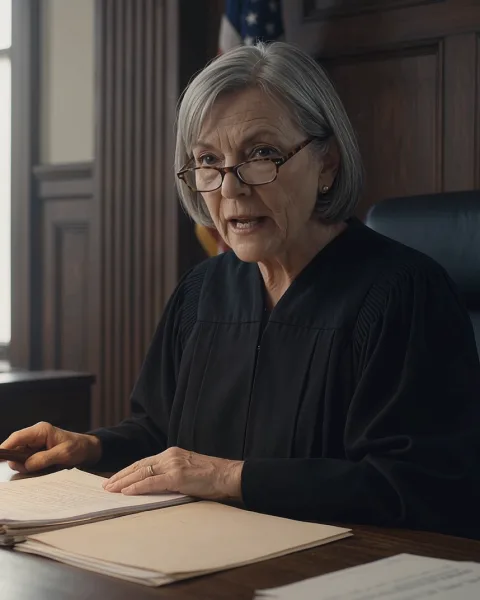
Judge, jury and opposing counsel are AI characters who react to every answer in real time.
Rachel rehearses with your client before the stand and gives feedback after every answer.
Ask to repeat the question, request the document, or ask for clarification, just as they could in court.
Clients make their mistakes in rehearsal, see the consequences, and try again before the real day.
A feedback summary scores clarity, accuracy and composure, shows where your client struggled, and what to practice before the real day.
Tell us what your people need to practice.
We’ll build the experience with you.